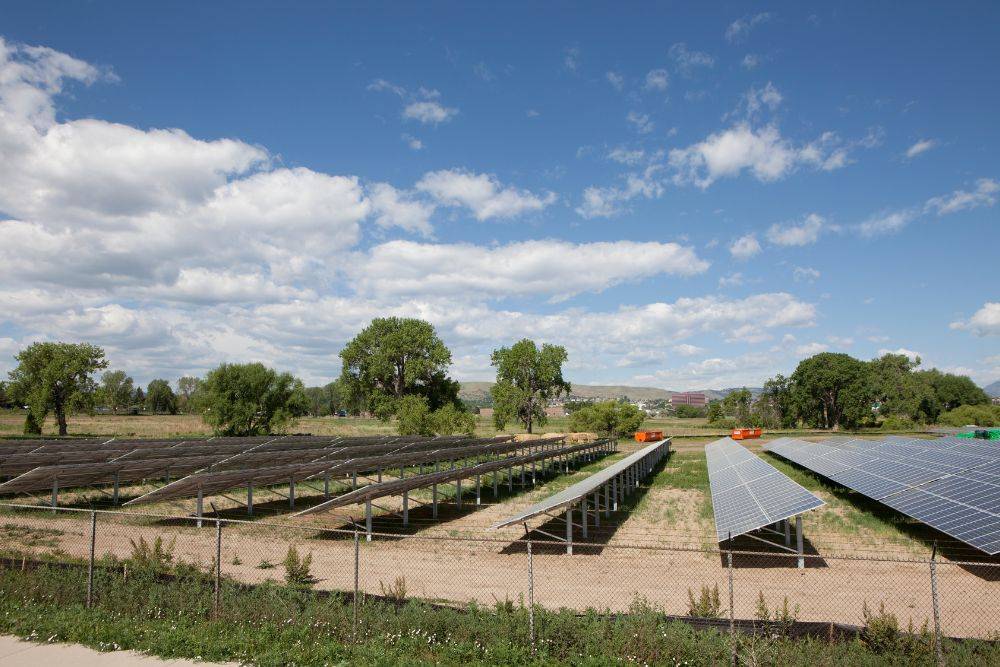
Harnessing solar energy for your home is an eco-friendly and cost-effective way to reduce your reliance on traditional energy sources while potentially saving money on your electricity bills. In this guide, we will explore the basics of home solar power systems with the option of battery backup. By the end, you’ll have a clear understanding of how solar panels work, how they are installed, and the benefits of adding a battery backup system to your solar setup.
Table of Contents:
- Understanding Solar Energy
- How Solar Panels Work
- Solar Panel Types (Monocrystalline, Polycrystalline, Thin-Film)
- Solar Inverters (String Inverters vs. Microinverters)
- Assessing Your Solar Potential
- Determining Your Energy Needs
- Solar Site Assessment
- Calculating Your Solar Panel Requirements
- Choosing the Right Solar Equipment
- Solar Panels
- Inverters
- Racking and Mounting Systems
- Solar Panel Installation
- DIY vs. Professional Installation
- Permitting and Regulations
- Mounting Solar Panels
- Connecting Panels to Inverters
- Battery Backup Systems
- Why Consider Battery Backup?
- Types of Solar Batteries (Lead-Acid vs. Lithium-Ion)
- Sizing Your Battery System
- Installation and Connection
- Monitoring and Maintenance
- Monitoring Your Solar System
- Cleaning and Maintenance
- Troubleshooting Common Issues
- Financial Considerations
- Cost of Solar Panel Systems
- Government Incentives and Tax Credits
- Return on Investment (ROI)
- Going Off-Grid
- Full Off-Grid vs. Grid-Tied with Backup
- Additional Considerations for Off-Grid Living
- Environmental Benefits of Solar Power
- Reducing Carbon Footprint
- Lowering Air Pollution
- Conserving Natural Resources
- Conclusion
- Recap of Key Takeaways
- Encouragement for a Sustainable Future
Additional Tips:
- Ensure you have a clear understanding of your local solar regulations, permitting requirements, and available incentives or rebates. Electrotek Power does this for all our installs.
- Consider the orientation and angle of your solar panels for maximum efficiency.
- Regularly monitor your system’s performance and address any issues promptly.
- Educate yourself on the warranties and maintenance requirements for your specific solar equipment.
By following this guide, you’ll be well-prepared to embark on your journey to harnessing the power of the sun to meet your energy needs while also having the option of a reliable battery backup system. Remember that solar energy is a long-term investment that not only benefits your wallet but also contributes to a cleaner and more sustainable future for our planet.
- Understanding Solar Energy
How Solar Panels Work:
Solar panels, also known as photovoltaic (PV) panels, are the heart of any solar energy system. They work by converting sunlight into electricity through a process known as the photovoltaic effect. Here’s a simplified breakdown of how it works:
- Absorption of Sunlight: Solar panels are made up of numerous solar cells, typically composed of semiconductor materials like silicon. When sunlight hits these cells, it excites the electrons within them, creating an electrical current.
- Generation of Direct Current (DC): As sunlight excites the electrons, they move through the semiconductor material, creating an electric current. This current generated is direct current (DC), similar to what batteries produce.
- Inverter Conversion: However, most household appliances and the power grid use alternating current (AC). To make the electricity generated by the solar panels compatible, it goes through an inverter. Inverters convert the DC electricity from the panels into AC electricity that can be used in your home or sent to the grid.
- Usage or Storage: The converted AC electricity can be used to power your home’s electrical appliances and lighting. Any excess electricity can be either stored in batteries (if you have a battery backup system) or sent back to the grid, often earning you credits through net metering.
Solar Panel Types (Monocrystalline, Polycrystalline, Thin-Film):
There are several types of solar panels available, each with its own advantages and disadvantages:
- Monocrystalline Panels: These panels are made from single-crystal silicon and are known for their high efficiency and space-saving design. They perform well in low-light conditions and have a longer lifespan but tend to be more expensive.
- Polycrystalline Panels: Polycrystalline panels are made from multiple silicon crystals. They are less efficient than monocrystalline panels but are more cost-effective. They are a good choice if you have ample space for installation.
- Thin-Film Panels: Thin-film solar panels use a variety of materials, such as amorphous silicon or cadmium telluride, and are known for their flexibility and lightweight design. They are less efficient than crystalline panels but can be advantageous in specific applications, such as on curved surfaces or for portable solar solutions.
Solar Inverters (String Inverters vs. Microinverters):
Solar inverters are critical for converting the DC electricity generated by solar panels into usable AC electricity. There are two main types of inverters:
- String Inverters: These are the most common type of inverters and are cost-effective. They connect multiple solar panels in a string and are installed in a central location. However, if one panel underperforms due to shading or other factors, it can affect the entire string’s performance.
- Microinverters: Microinverters are installed on each individual solar panel. They offer several advantages, such as improved system efficiency, flexibility in system design, and better performance in shaded conditions. However, they tend to be more expensive upfront.
Choosing the right type of solar panel and inverter depends on your specific needs, available space, budget, and shading conditions at your location. It’s essential to consult with a professional solar installer to determine the best combination for your home solar system.
- Assessing Your Solar Potential
Determining Your Energy Needs:
Before you invest in a solar panel system, it’s crucial to determine your energy needs. This involves understanding how much electricity your household consumes on a daily and monthly basis. Here’s how you can go about it:
- Gather Your Energy Bills: Start by collecting your electricity bills from the past year. This will provide valuable data on your monthly and annual energy consumption. Look for your average monthly usage in kilowatt-hours (kWh).
- Analyze Seasonal Variation: Take note of any seasonal variations in your energy consumption. Do you use more energy in the summer due to air conditioning, or in the winter for heating? Understanding these patterns will help you size your solar panel system appropriately.
- Consider Future Changes: Think about any lifestyle changes or home improvements that might affect your energy needs in the future. Are you planning to add more appliances, an electric vehicle, or expand your home? Accounting for potential increases in energy usage is important.
- Set Energy Reduction Goals: If you want to maximize your solar investment, consider implementing energy-saving measures like LED lighting, energy-efficient appliances, or improved insulation. Reducing your energy consumption can result in a smaller and more cost-effective solar system.
Solar Site Assessment:
A solar site assessment is essential to determine if your location is suitable for a solar panel installation. Here are the key factors to consider:
- Sunlight Availability: Assess the amount of sunlight your location receives throughout the year. Factors like shading from trees, nearby buildings, or obstructions can significantly impact the efficiency of your solar panels. Tools like solar pathfinder or professional site assessments can help determine shading patterns.
- Roof Condition and Orientation: Evaluate the condition and orientation of your roof. South-facing roofs generally receive the most sunlight in the Northern Hemisphere (north-facing for the Southern Hemisphere). Your roof’s angle, pitch, and available space will influence your solar panel layout.
- Local Climate Conditions: Consider local weather patterns, including temperature extremes, snowfall, and hail. Solar panels are designed to withstand various weather conditions, but it’s important to account for these factors in your system design.
- Local Regulations and Incentives: Research local zoning laws, building codes, and any incentives or rebates available for solar installations in your area. Some regions offer financial incentives or tax credits to encourage solar adoption.
Calculating Your Solar Panel Requirements:
Once you have a clear understanding of your energy needs and your site’s solar potential, you can calculate the number of solar panels required for your system:
- Determine Your Daily Energy Production: Calculate the daily energy production of a solar panel based on its wattage rating and the average daily sunlight hours in your location. For example, a 300-watt panel in an area with 5 hours of sunlight per day would produce 1,500 watt-hours (or 1.5 kWh) daily.
- Match Panel Output to Your Needs: Divide your daily energy consumption (in kWh) by the daily energy production per panel. This will give you the approximate number of panels needed to cover your energy needs.
- Consider Efficiency and Losses: Keep in mind that not all sunlight is converted into electricity due to system losses, so you may need to add extra panels to compensate for these losses. A professional installer can provide a more accurate estimate.
- System Sizing and Configuration: Consider the available space on your roof or property and the physical dimensions of the solar panels when determining how many panels you can install and how they will be arranged.
By following these steps and potentially consulting with a solar professional, you can accurately calculate your solar panel requirements and ensure that your solar energy system meets your energy needs efficiently.
3.Choosing the Right Solar Equipment
Selecting the appropriate solar equipment is a critical step in designing an efficient and reliable solar energy system. Here’s a closer look at the key components you need to consider:
Solar Panels:
Solar panels are the primary energy harvesters in your solar power system. They come in various types and specifications, and choosing the right ones is essential for maximizing energy production and system longevity.
Type of Solar Panels: Decide whether you want monocrystalline, polycrystalline, or thin-film panels. Monocrystalline panels offer high efficiency and space-saving design, making them suitable for limited roof space. Polycrystalline panels are cost-effective but slightly less efficient. Thin-film panels are flexible and lightweight but are generally less efficient than crystalline panels.
- Efficiency: Consider the efficiency of the solar panels. Higher efficiency panels can generate more power per square foot, which can be advantageous if you have limited roof space. However, higher efficiency panels often come at a higher initial cost.
- Durability and Warranty: Pay attention to the durability and warranty of the panels. Most solar panels have a lifespan of 25 to 30 years or more. Look for panels with strong warranties to ensure long-term reliability.
- Cost: Assess the cost of the panels but remember that the overall value and payback period should guide your decision. Higher efficiency panels may cost more initially but could lead to greater long-term savings.
Inverters:
Inverters are critical for converting the DC electricity generated by your solar panels into usable AC electricity. The choice of inverter can impact system performance and maintenance.
- Type of Inverters: There are two primary types of inverters: string inverters and microinverters. String inverters connect multiple panels in a series, while microinverters are attached to individual panels. Microinverters are known for improving system efficiency and performance in shaded conditions but tend to be more expensive.
- Efficiency: Inverters have their own efficiency ratings, which can affect the overall efficiency of your solar system. Look for inverters with high efficiency to ensure minimal energy losses during conversion.
- Monitoring Capability: Consider inverters with built-in monitoring systems. Monitoring allows you to track your system’s performance in real-time, detect issues, and ensure optimal operation.
- Warranty: Inverters typically come with warranties that range from 10 to 25 years. A longer warranty period can provide additional peace of mind and protect your investment.
Racking and Mounting Systems:
Racking and mounting systems are crucial for securing your solar panels to your roof or the ground. These components ensure the stability and longevity of your solar installation.
- Roof Compatibility: Assess the type of roof you have (flat, sloped, tile, shingle, etc.) and choose a mounting system that is compatible with it. Proper installation is essential to prevent roof damage and leaks.
- Ground Mounting: If roof installation isn’t feasible or desired, consider ground-mounted systems. Ground mounts provide flexibility in panel placement and orientation.
- Tracking Systems: For advanced installations, tracking systems can be an option. These systems adjust the angle and orientation of the panels throughout the day to maximize sunlight exposure. While more expensive, tracking systems can significantly increase energy production.
- Professional Installation: Regardless of the mounting option you choose, it’s crucial to work with experienced solar installers who follow best practices and adhere to local building codes.
Choosing the right solar equipment requires careful consideration of your specific goals, budget, available space, and local conditions. Consulting with a professional solar installer is essential to making informed decisions and ensuring a successful and efficient solar energy system.
4.Solar Panel Installation
The installation of solar panels is a critical phase in setting up a solar energy system. It involves several key aspects that need to be carefully considered to ensure a safe and effective installation.
DIY vs. Professional Installation:
- DIY Installation: While some homeowners with technical skills and experience may consider a DIY installation to save costs, it’s important to understand the complexity and potential risks involved. DIY installations require a deep understanding of electrical systems, roofing, and safety protocols. Errors can lead to inefficiencies, safety hazards, and difficulties obtaining permits or incentives.
- Professional Installation: Professional installation by certified solar installers is the recommended route for most homeowners. It offers several advantages, including expertise in system design, compliance with local regulations, safety, and warranty support. Professionals can assess your site, design an optimized system, and handle permitting and inspections.
Permitting and Regulations:
- Local Permits: Solar panel installations typically require permits from local authorities. The permitting process ensures that your system complies with safety, building, and environmental regulations. Electrotek Power Systems will handle this process, ensuring your system is fully compliant.
- Utility Interconnection: Electrotek will follow specific interconnection guidelines. This process allows your solar system to connect to the grid and potentially earn you credits for excess energy production.
Mounting Solar Panels:
- Roof vs. Ground Mounting: Solar panels can be mounted on the roof or the ground. Roof-mounted systems are more common and often maximize available space. Ground-mounted systems are suitable for properties with ample land or where roof installation isn’t feasible.
- Structural Integrity: Roof mounting requires assessing your roof’s structural integrity to ensure it can support the added weight of the solar panels. Reinforcements may be necessary, and Electrotek will ensure that proper roofing materials and flashing are used to prevent leaks.
- Optimal Orientation: Solar panels should ideally face south (in the Northern Hemisphere) to maximize sun exposure. The angle and orientation can impact energy production. Electrotek will calculate the optimal tilt and direction for your panels based on your location.
Connecting Panels to Inverters:
- Wiring and Connection: After mounting the panels, the next step is connecting them to the inverter(s). This involves carefully wiring the panels in series or parallel configurations, depending on your inverter type and system design.
- Inverter Location: Inverters are typically installed near your electrical service panel or in a designated location. The DC electricity generated by the panels is converted to AC electricity by the inverter before it enters your home’s electrical system.
- Safety Precautions: Proper safety precautions must be observed during the wiring and connection process. DC electricity can be dangerous if mishandled, so it’s essential that this part of the installation is done by professionals with the necessary training.
- Testing and Commissioning: After the panels are connected to the inverter(s), the entire system undergoes testing to ensure it functions correctly. This includes verifying electrical connections, running performance checks, and ensuring that the system is producing electricity efficiently.
Solar panel installation is a precise and regulated process that involves electrical work, structural considerations, and compliance with local codes. Hiring Electrotek as your installer ensures a safe and compliant installation, maximizes system performance, and provides peace of mind that your investment is in capable hands.
5.Battery Backup Systems
Battery backup systems are valuable additions to solar energy setups, offering energy storage capabilities that enhance the reliability and functionality of your solar panel system. Here are key points to understand about battery backup systems:
- Why Consider Battery Backup?
- Reliability: Battery backup systems provide a continuous power supply during grid outages, ensuring your essential appliances and lights remain functional.
- Energy Independence: With a battery backup, you reduce your reliance on the grid, making you more self-sufficient and resilient.
- Peak Demand Shaving: Batteries allow you to store excess solar energy during the day and use it during peak evening hours, reducing your electricity costs.
- Off-Peak Use: Store excess solar energy generated during sunny days for use during periods of low solar production or high utility rates.
- Types of Solar Batteries
- Lead-Acid Batteries: Traditional lead-acid batteries are reliable and cost-effective but have limited lifespan and capacity. They are commonly used for smaller backup applications.
- Lithium-Ion Batteries: Lithium-ion batteries are highly efficient, have longer lifespans, and can store more energy in a smaller footprint. They are the preferred choice for most residential and commercial solar battery systems.
- Sizing Your Battery System
- Determine your desired level of backup power. Decide whether you want to power essential appliances, your entire home, or something in between.
- Calculate your daily energy consumption to determine the storage capacity required. Electrotek can assist in sizing the battery appropriately.
- Consider factors like your location, available sunlight, and expected duration of power outages when determining the size of the battery bank.
- Installation and Connection
- Battery installation should be done by qualified professionals, ensuring that safety protocols are followed, and local regulations are met.
- Batteries are typically installed in a dedicated location, such as a garage or utility room, with proper ventilation and temperature control.
- They are connected to the solar inverter and electrical panel to manage the flow of energy between solar panels, batteries, and your home.
- Monitoring and Management
- Most modern battery systems come with monitoring capabilities, allowing you to track the state of charge, energy production, and consumption through a user-friendly interface.
- Effective management of your battery’s charging and discharging cycles can optimize its performance and extend its lifespan.
- Maintenance
- Routine maintenance for battery backup systems is relatively low. However, periodic checks for signs of wear, correct cable connections, and software updates are recommended to ensure optimal performance.
- Battery maintenance may vary depending on the type and manufacturer, so refer to the manufacturer’s guidelines.
Battery backup systems are versatile and customizable, making them a valuable addition to residential and commercial solar installations. They provide peace of mind during power outages, enhance energy management, and contribute to greater energy independence. When integrated with solar panels and the grid, they create a resilient and efficient energy solution for your home or business.
6. Monitoring and Maintenance
- Online Monitoring Tools: Many solar systems come with online monitoring platforms that allow you to track your system’s performance in real-time through a web portal or mobile app.
- Data Analysis: Monitor energy production, consumption, and system efficiency. Analyze historical data to identify trends and potential issues.
- Alerts and Notifications: Set up alerts for abnormal system behavior or performance drops. These notifications can help you address issues promptly.
- Monthly or Quarterly Check-ins: Regularly review your monitoring data to ensure your system is meeting performance expectations and generating the expected savings.
- Professional Monitoring Services: Some solar installers offer professional monitoring services, where experts continuously monitor your system and intervene in case of any issues.
Cleaning and Maintenance
- Solar Panel Cleaning: Periodically clean your solar panels to remove dust, dirt, and debris that can reduce their efficiency. Use a soft brush or a hose with a gentle spray to avoid damaging the panels.
- Seasonal Inspections: Conduct seasonal inspections to check for any physical damage, loose connections, or signs of wear and tear.
- Trim Trees and Vegetation: Trim or remove trees and vegetation that cast shadows on your solar panels, as shading can reduce energy production.
- Inverter Maintenance: Check your inverter for proper operation, clean it’s vents, and ensure it is free of obstructions.
- Safety First: When performing maintenance, always prioritize safety. If you are unsure about any aspect of maintenance, consider hiring a professional.
Troubleshooting Common Issues
- Reduced Energy Production: If you notice a sudden drop in energy production, it could be due to shading, a malfunctioning inverter, or dirt on the panels. Investigate and address the root cause promptly.
- Inverter Error Codes: Inverter error codes can indicate various issues. Consult your inverter manual or contact your installer to decipher the codes and take appropriate action.
- Electrical Issues: If you experience electrical issues, such as circuit breaker trips or unusual noises, turn off your system immediately and consult a qualified electrician.
- Weather-Related Concerns: Extreme weather conditions like hail, snow, or heavy storms can impact your solar system. Inspect the panels and other components for damage after severe weather events.
- System Warranties: Check your system’s warranties for coverage on specific components. If you encounter any issues covered by warranties, contact the manufacturer or installer for repairs or replacements.
Regular monitoring, cleaning, and maintenance are essential for ensuring the longevity and optimal performance of your solar system. By addressing common issues promptly and conducting routine checks, you can maximize the benefits of your investment and enjoy years of clean, renewable energy production.
7. Financial Considerations
- Initial Investment: The cost of a solar panel system varies based on factors like system size, equipment quality, and installation complexity. On average, residential solar installations can cost between $10,000 and $30,000 before incentives.
- Equipment Costs: Breakdown of costs includes solar panels, inverters, mounting hardware, wiring, and battery storage (if included).
- Installation Costs: Labor, permits, and other installation expenses can make up a significant portion of the total cost.
- Maintenance Costs: While solar systems have low ongoing maintenance costs, budget for occasional cleaning and potential repairs.
Government Incentives and Tax Credits
- Federal Investment Tax Credit (ITC): The ITC offers a tax credit of up to 26% of the total system cost for residential solar installations through the end of 2022. After 2022, it decreases to 22% for a year before dropping to 10% for commercial installations and 0% for residential installations.
- Percentage Rate: As of 2024, the ITC for solar installations remains at 30% for projects that begin construction before 2033. After that, it gradually decreases.
- State and Local Incentives: Many states and municipalities offer additional incentives such as rebates, grants, and performance-based incentives to encourage solar adoption.
- Net Metering: Net metering programs allow you to earn credits for excess electricity your solar system generates and sends back to the grid. These credits can offset future electricity bills.
- Solar Renewable Energy Certificates (SRECs): In some states, you can earn SRECs for the renewable energy your system produces. These certificates can be sold to utilities or businesses to meet renewable energy targets.
Return on Investment (ROI)
- Payback Period: Calculate the payback period, which is the time it takes for your solar system’s savings to equal its upfront cost. Incentives and electricity savings shorten this period.
- Savings on Energy Bills: Over the system’s lifetime, you’ll see substantial savings on your electricity bills, potentially offsetting the initial investment.
- Increased Home Value: Solar panels can increase your home’s resale value. Research shows that homes with solar systems often sell faster and at higher prices.
- Environmental Benefits: Consider the environmental impact of reducing your carbon footprint by generating clean, renewable energy. While this doesn’t directly affect your finances, it contributes to a sustainable future.
- Long-Term Savings: Solar panels typically have a lifespan of 25 to 30 years or more, providing a long-term source of savings and potentially protecting you from rising utility costs.
Evaluating the cost, incentives, and ROI of a solar panel system is crucial for making an informed decision. Be sure to consult with a solar professional and factor in local incentives and utility rates when assessing the financial viability of solar energy for your home or business.
8. Going Off-Grid
Full Off-Grid vs. Grid-Tied with Backup:
Full Off-Grid:
- Independence: Full off-grid systems are entirely self-sufficient, generating and storing all their own electricity without relying on the grid.
- Battery Storage: They require robust battery storage systems to store excess energy for nighttime or cloudy days.
- Increased Complexity: These systems are more complex to design and maintain, often requiring larger battery banks and backup generators.
- High Initial Cost: Initial costs for full off-grid setups can be higher due to the need for extensive batteries and backup systems.
- Energy Efficiency: Off-grid living often encourages energy-efficient practices to minimize electricity consumption.
Grid-Tied with Backup:
- Grid Connection: These systems are primarily connected to the grid and draw electricity from it as needed.
- Battery Backup: They include battery backup systems to provide power during grid outages, ensuring a continuous electricity supply.
- Cost Savings: Grid-tied systems with backup can be more cost-effective initially as they rely on the grid for most of their electricity.
- Simplicity: They are typically simpler to design and maintain compared to full off-grid systems.
- Return on Investment: Over time, you can still save on energy bills and potentially earn credits through net metering.
Additional Considerations for Off-Grid Living:
- Energy Conservation: Off-grid living requires careful energy conservation to maximize the efficiency of your system and minimize reliance on backup power.
- Backup Generator: In regions with extended periods of low sunlight or frequent outages, backup generators may be essential for full off-grid systems.
- Water and Heating: Consider alternative energy sources for heating and water heating, such as solar water heaters or wood stoves.
- Waste Management: Develop sustainable waste management practices, including composting and recycling, to minimize environmental impact.
- Food Production: Many off-grid enthusiasts opt for home gardens, aquaponics, or livestock to supplement their food supply.
- Regulatory Compliance: Be aware of local zoning and building codes that may affect your off-grid lifestyle, including regulations on wastewater disposal, solar panel placement, and more.
- Learning and Self-Sufficiency: Embrace the learning curve and self-sufficiency required for off-grid living, including maintenance of renewable energy systems and other off-grid technologies.
- Emergency Preparedness: Maintain a robust emergency plan, including communication, medical supplies, and food storage, as off-grid living may increase vulnerability during severe weather or other crises.
Choosing between full off-grid and grid-tied with backup living depends on your energy needs, location, budget, and lifestyle preferences. Off-grid living offers independence and sustainability but requires careful planning and commitment to self-sufficiency, while grid-tied with backup systems provide a balance between convenience and resilience.
9. Environmental Benefits of Solar Power
Reducing Carbon Footprint:
- Transition to Renewable Energy: Switch to clean and renewable energy sources such as solar, wind, and hydropower to reduce reliance on fossil fuels.
- Energy Efficiency: Implement energy-efficient practices and technologies in homes and businesses to minimize energy consumption.
- Public Transportation: Use public transportation, carpooling, or electric vehicles to reduce carbon emissions from personal transportation.
- Reduce, Reuse, Recycle: Embrace the “Reduce, Reuse, Recycle” mantra to minimize waste and the carbon emissions associated with production and disposal.
- Sustainable Food Choices: Choose locally sourced, plant-based, or sustainably raised food to reduce the carbon footprint of your diet.
- Carbon Offsetting: Support carbon offset programs that invest in projects like reforestation and renewable energy to balance out your emissions.
Lowering Air Pollution:
- Emission Reduction: Advocate for and support policies and technologies that reduce emissions from industries, transportation, and power generation.
- Clean Energy Transition: Promote the shift from coal and fossil fuel power plants to cleaner sources of energy like natural gas and renewables.
- Vehicle Emissions: Use vehicles with low emissions or electric vehicles, and support stricter vehicle emissions standards.
- Reduce Household Pollutants: Use cleaner-burning heating sources and reduce indoor air pollutants by proper ventilation and non-toxic cleaning products.
Conserving Natural Resources:
- Water Conservation: Implement water-saving technologies and practices, such as low-flow fixtures and rainwater harvesting, to reduce water waste.
- Energy Efficiency: opt for energy-efficient appliances, lighting, and HVAC systems to conserve energy and reduce the demand for natural resources.
- Reduce, Reuse, Recycle: Practice the 3 Rs to minimize resource consumption and waste production.
- Sustainable Land Use: Support land-use policies that prioritize conservation of natural habitats and reduce urban sprawl.
- Sustainable Agriculture: Choose sustainably grown and locally sourced food to support agriculture practices that protect natural ecosystems.
- Protecting Biodiversity: Advocate for policies and initiatives that preserve biodiversity and protect endangered species.
By actively participating in efforts to reduce your carbon footprint, lower air pollution, and conserve natural resources, you can contribute to a healthier environment and a more sustainable future for generations to come.
10. Conclusion
Recap of Key Takeaways:
- Reducing Carbon Footprint: Transition to renewable energy, embrace energy efficiency, opt for green transportation, reduce meat consumption, practice recycling, and adopt a sustainable lifestyle.
- Lowering Air Pollution: Support clean energy sources, advocate for electric vehicles and emissions standards, invest in public transit, promote industrial regulations, and reduce engine idling.
- Conserving Natural Resources: Conserve water through efficient practices, build energy-efficient structures, support sustainable agriculture, protect ecosystems, practice the 3 Rs (reduce, reuse, recycle), and make responsible consumption choices.
Encouragement for a Sustainable Future:
- Individual Impact: Remember that small actions collectively make a significant impact. Your choices matter, and they can inspire others to adopt sustainable practices.
- Advocacy: Get involved in environmental advocacy efforts, whether through local organizations, grassroots movements, or supporting policies that prioritize sustainability.
- Education: Stay informed about environmental issues, innovations, and best practices. Knowledge is a powerful tool for driving change.
- Community Engagement: Engage with your community to promote sustainability. Encourage neighbors and friends to join in efforts to reduce carbon footprints and protect the environment.
- Inspire Others: Lead by example and share your sustainable choices and practices with others. Be a positive influence in your circle of influence.
- Long-Term Vision: Recognize that sustainability is a long-term endeavor. Keep your commitment to a sustainable future as an ongoing journey, and celebrate the progress made along the way.
- Hope and Optimism: Maintain a hopeful and optimistic outlook. While challenges exist, positive change is possible when individuals and communities work together for a sustainable future.
By embracing these key takeaways and encouraging others to do the same, you can play a vital role in shaping a more sustainable and environmentally responsible future for our planet.
Additional Tips:
Reach out to Electrotek to Obtain your quote for a complete system for costs and services.
Ensure you have a clear understanding of your local solar regulations, permitting requirements, and available incentives or rebates a professional at Electrotek Power Systems would be happy to explain all the advantages and incentives.